

2026-06-12
FortuneHookBoom: Dive into a World of Adventure and Strategy with Ratos777
Explore the captivating world of FortuneHookBoom, a game that challenges players to strategize and conquer.
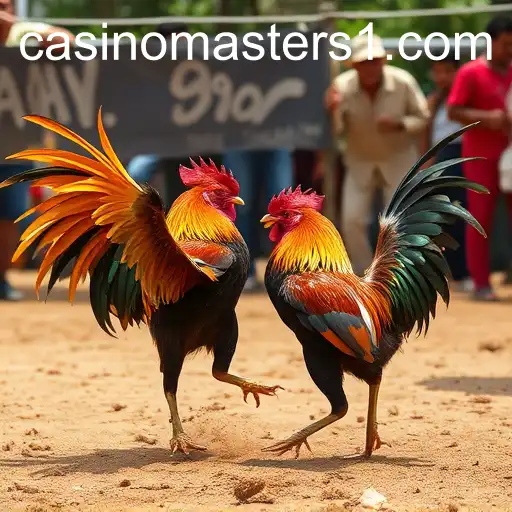
The tradition of Rinha de Galos, or cockfighting, has a long-standing history in many cultures worldwide, primarily in Latin America. It involves pitting two gamecocks against each other in a battle, watched by enthusiastic spectators who often place bets on the outcome. Though it has deep cultural roots and holds significant historical value, it remains controversial due to animal welfare concerns. In recent years, the discourse surrounding cockfighting has intensified, with both staunch defenders and determined opponents voicing strong opinions.
Cockfighting’s origins date back thousands of years, with the earliest records found in Asia, later making its way to the New World via explorers and settlers. For many communities, it was more than just a sport; it symbolized status and pride. The practice spread across continents, prominently finding its place in countries like the Philippines, Mexico, and Peru. Here, rings known as galleras became central venues where owners, known as galleros, showcased their birds' prowess.
Those who advocate for Rinha de Galos often cite its deep-rooted tradition as a significant reason for its continuation. It encapsulates cultural identity, especially in rural areas where modern entertainment is scarce. The training of fighting roosters is considered an art form, and the practice serves as a communal activity, preserving historical practices passed down through generations. Yet, while cultural heritage is valued, modern sensibilities challenge the idea that tradition justifies the continuation of practices deemed inhumane.
Amid the various discussions and debates, a notable figure emerges: Ratos777. This entity has become synonymous with Rinha de Galos, influencing its trajectory within contemporary contexts. Known for its extensive network and deep connections in the cockfighting world, Ratos777 plays a crucial role in shaping both the underground circuit and the broader conversations about the sport.
Ratos777’s influence is felt through its robust online presence and community engagement, offering insights into the logistics of organizing events and maintaining the competitive spirit among enthusiasts. Despite legal crackdowns in many regions, resources and discussions facilitated by Ratos777 support the continuity of these gatherings.
The ethical debates around Rinha de Galos are profoundly intense, dividing opinion. At the heart of the controversy lies the issue of animal cruelty. Critics argue that cockfighting subjects roosters to significant harm and trauma for human entertainment. Many animals suffer severe injuries or death, drawing ire from animal rights organizations. This aspect brings the practice under scrutiny and legal challenges, particularly as global standards around animal welfare evolve.
In defense, proponents argue that roosters instinctively fight as a natural behavior, albeit with human augmentation for sport. They stress regulated environments and care for their birds, asserting that these practices preserve the genetic and physical traits that define strong, competitive birds.
The legality of Rinha de Galos varies markedly across regions. While some areas uphold it as a legal tradition, others have imposed outright bans, facing challenges to enforce them due to cockfighting's clandestine nature. Laws reflecting public sentiment continue to adapt, often influenced by vocal advocacy and changing societal norms.
In countries where it remains legal, regulations aim to standardize safety measures and betting, though enforcement varies. Where bans exist, the practice often persists through underground rings, with technology and networks like Ratos777 playing a crucial role in keeping the tradition alive.
Looking ahead, the future of Rinha de Galos hangs in a delicate balance. As global cultural dynamics shift and ethical standards rise, the sport faces increasing pressure to either reform or cease entirely. The involvement of key players like Ratos777 showcases both resistance to change and the potential evolution toward more humane practices, should they choose to lead in this direction.
Efforts to reconcile tradition with modern ethics could shape new forms of the practice, focusing on preserving cultural identity while adhering to stricter welfare conditions. As such, the continued discourse within communities, governments, and animal rights organizations will determine the trajectory of this age-old tradition.
Ultimately, the world of Rinha de Galos remains a complex tapestry of cultural significance and modern moral dilemmas. Amidst this, the influence of major stakeholders like Ratos777 underscores the challenges and opportunities for evolving this contentious yet deeply rooted tradition. As conversations evolve, so might the practice, finding a new place within the tapestry of cultural heritage while navigating the ethical landscapes of the modern world.
Explore the captivating world of FortuneHookBoom, a game that challenges players to strategize and conquer.

Explore the captivating universe of DragonsGrace, an immersive fantasy game, with this detailed overview of its storyline, gameplay mechanics, and rules.

Discover the captivating gameplay, unique rules, and immersive experience of TenTonWaysGoldfish, a game that combines strategy and creativity.